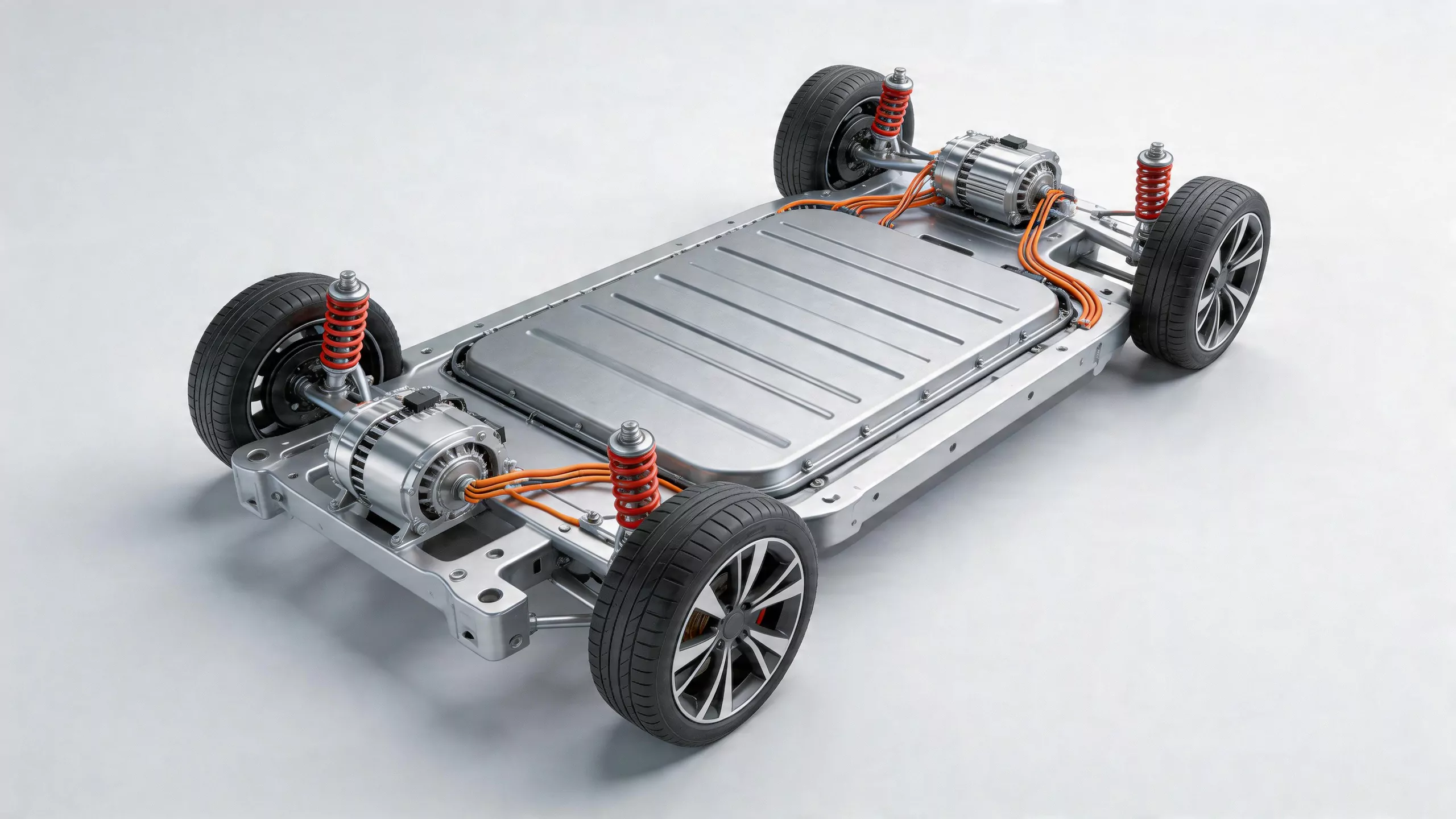
Thermal runaway — a cascade reaction where a single cell failure triggers adjacent cells — is the foremost safety risk in lithium-ion battery systems. Synrock's Aerogel Thermal Barriers serve as firewall separators between cells and between modules. In independent testing, with a 2 mm aerogel pad separating cells, when Cell 1 triggered thermal runaway at 874 s, adjacent cells only reached 175.4 °C and 109.4 °C — safety valves did not open. Without protection, reference temperatures exceed 441 °C.
Our pads pass the 1200 °C fire test (10 minutes, 6 cycles) without burn-through, achieve UL 94 5VA + Class A dual flame ratings, and comply with RoHS, REACH (219 SVHC), and GB/T 30512 automotive hazardous substance standards. For grid-scale BESS installations, aerogel pads isolate battery clusters from container walls and piping to prevent chain-reaction events and protect system structure.
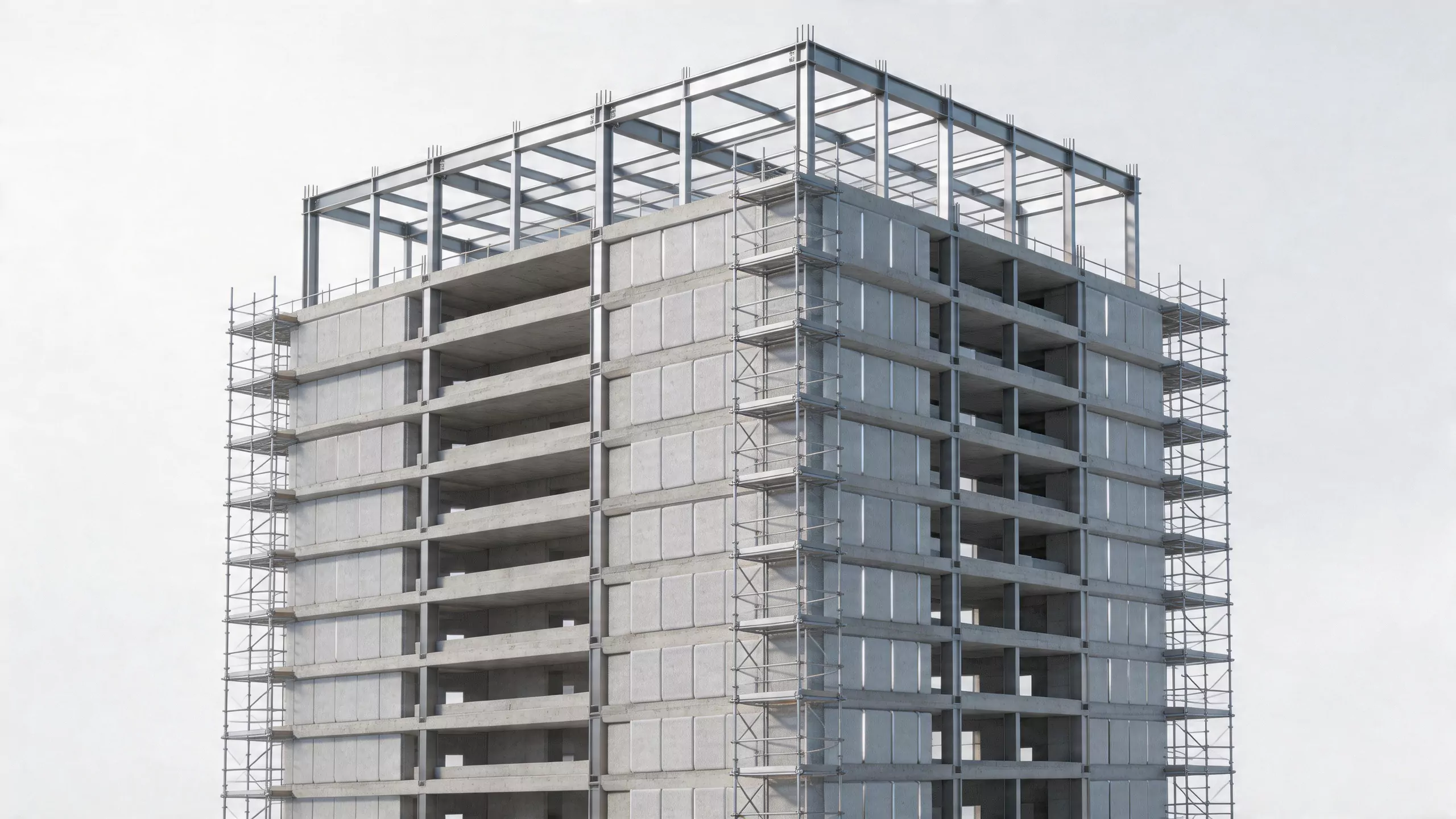
Buildings account for a significant share of global energy consumption. Our aerogel insulation coating achieves exceptional thermal resistance at just 2 mm thickness — equivalent to 35 mm glass microsphere mortar or 20 mm rock wool. This reduces overall system thickness by 50–75% and can lower insulation system costs by 10%+.
Key applications include: steel structure building envelopes (walls and roofs), high-ceiling industrial factory buildings, curtain wall and dry-hung cladding systems, underground garage anti-condensation treatment, existing building energy retrofits (exterior and interior — without increasing wall thickness), cold storage facilities, and field camp barracks in extreme climates. Service life ≥ 15 years, with anti-corrosion, weathering, and hydrophobic performance built in.
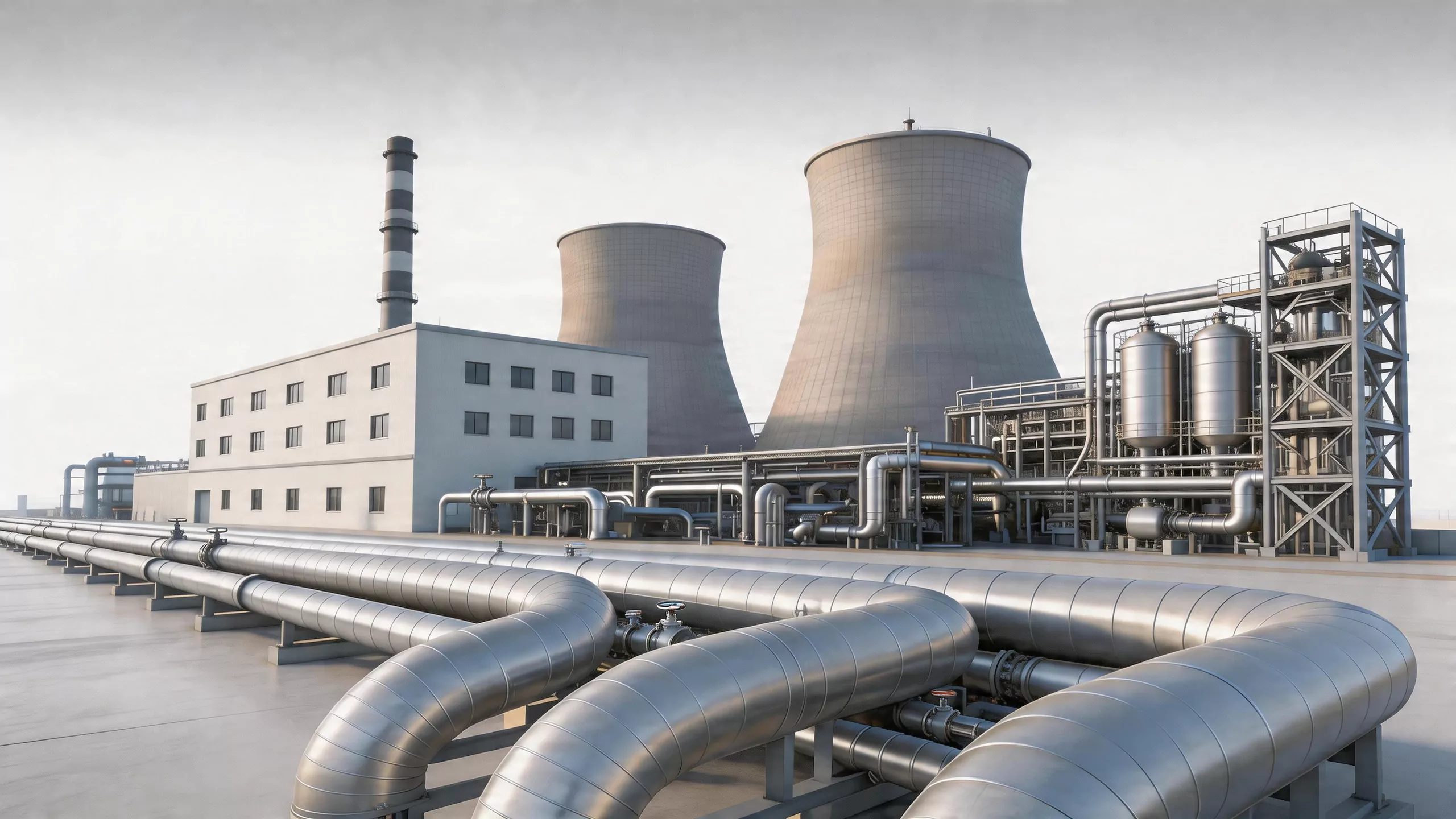
Field-proven across steam injection pipelines, LNG full-chain storage tanks, refinery equipment, and offshore platforms. In a 30-m oilfield steam injection test (114 mm pipe, 322.9 °C steam), Synrock aerogel blanket reduced average heat flux density by 18.4% and reduced material wrapping perimeter by 10% versus conventional aerogel. For D76 pipelines, total installed cost is reduced by 20%+; for D114 pipelines, cost is cut by 13.5% with 5.6% energy savings.
For nuclear heat supply, a 40+ km steam supply pipeline project achieved ≤ 1.496 °C/km temperature drop at 180 t/h flow, meeting stringent design targets with a combined aerogel blanket and calcium silicate structure. Removable insulation jackets (for valves, flanges, elbows, reactors) enable easy maintenance without sacrificing thermal performance. Class A fire-rated and hydrophobic — designed to prevent corrosion under insulation (CUI).

Aerogel blankets and removable insulation jackets replace traditional asbestos-based insulation on marine vessels — offering superior thermal performance with Class A fire rating, hydrophobic moisture resistance, and significant weight savings. Suitable for engine exhaust pipes, irregular-shaped fittings, and bulkhead insulation.
In rail and heavy transportation, aerogel insulation reduces overall system weight while maintaining equivalent fire and thermal performance. The flexible, cuttable blanket simplifies installation on complex geometries.
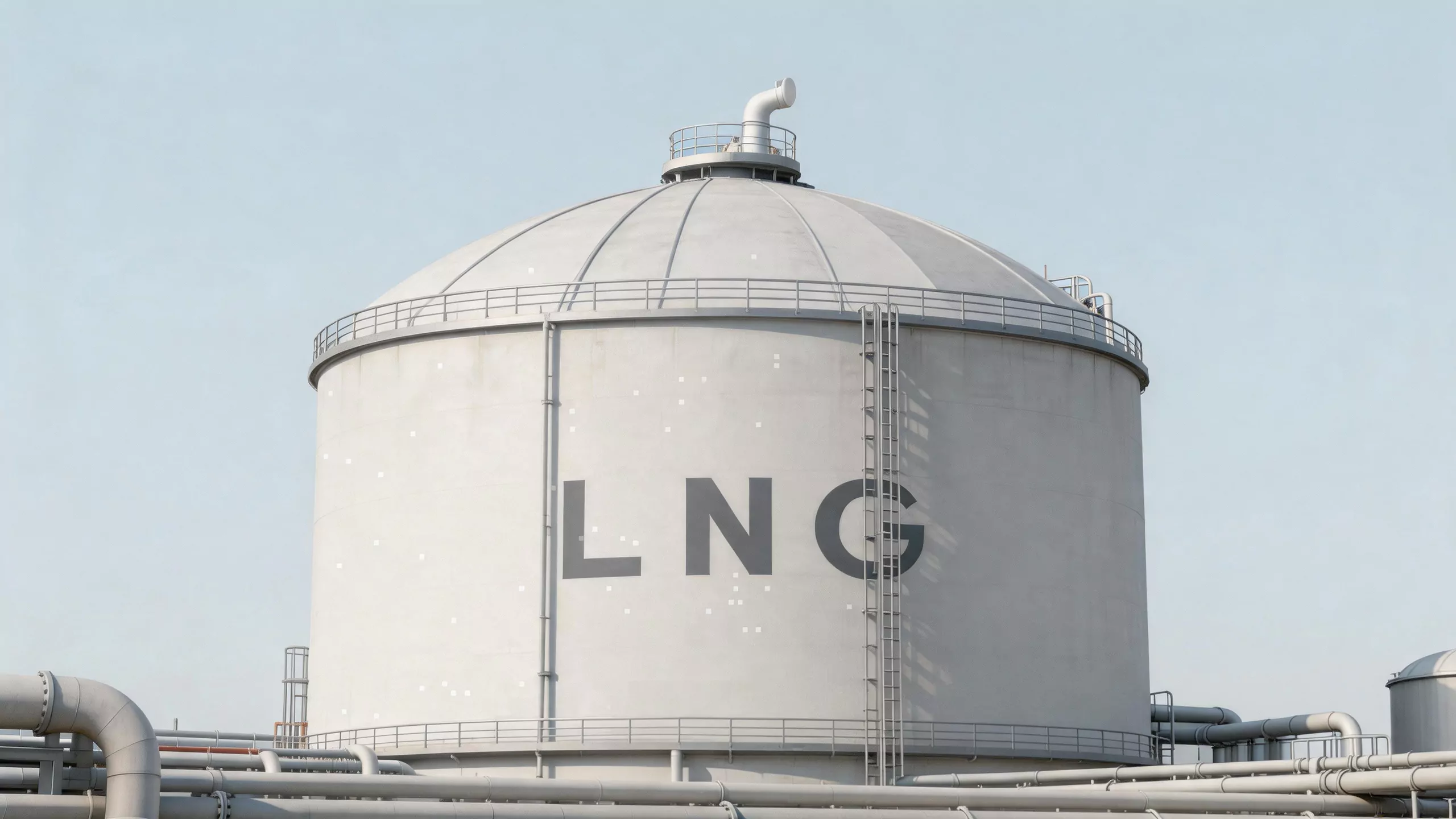
The aerogel blanket's operating range extends to -200 °C, making it well-suited for LNG storage tanks, liquid oxygen/nitrogen vessels, cryogenic transfer pipelines, and cold-chain industrial gas facilities. The hydrophobic treatment prevents ice formation and moisture-driven performance degradation over time.
For LNG full-chain storage (reception terminals, ship-to-shore transfer, industrial gas vessels), our blanket delivers outstanding cold-retention performance, minimizes boil-off gas (BOG), and contributes to significant operational efficiency gains.
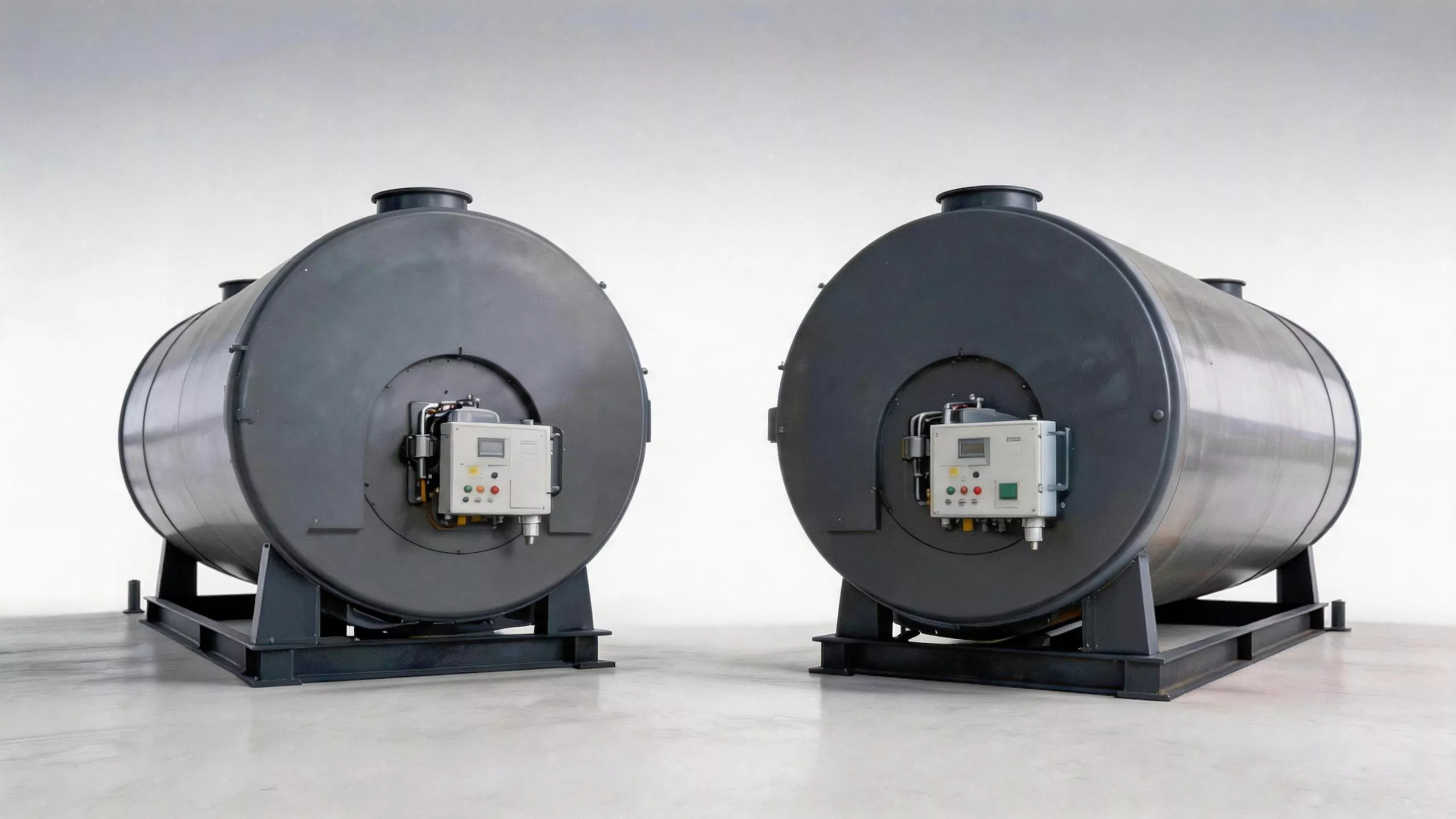
Aerogel insulation jackets are proven on hydrogen equipment: a gas-liquid separator application required temperature drop of less than 10 °C in 24 hours after shutdown; our removable 10 mm aerogel jacket solution met the thermal requirement while solving maintenance access and aesthetic concerns.
For power plant turbines, boilers, and industrial furnaces, aerogel blanket insulation retrofits have demonstrated energy savings of 49% (5.83 GJ/m per year), with payback periods of 1.7–2.1 years. The aerogel coating system is also proven for ceramic kilns, molybdenum wire furnaces, and hydrogen production furnaces, reducing surface temperatures and improving workplace safety.